Shoe Washing Bag Spec Guide: Mesh, Chenille Lining and Locking-Clasp Zipper
A shoe washing bag is easy to buy and hard to specify. Retail listings compress the whole product into three words — mesh, zipper, reusable — and that is enough for a household purchase. It is not enough for a buyer at the evaluation stage, who has to release a purchase order, approve a sample, sign off packaging artwork and answer a retailer's technical questionnaire. This guide works at that level: it isolates the three parameters that decide how the bag behaves inside a drum — the mesh exterior, the soft chenille lining that forms the inner contact surface, and a zipper closed by a metal hook engaged to an anchor loop — and then fixes the dimensional, capacity and care parameters that limit where the bag may be used at all.
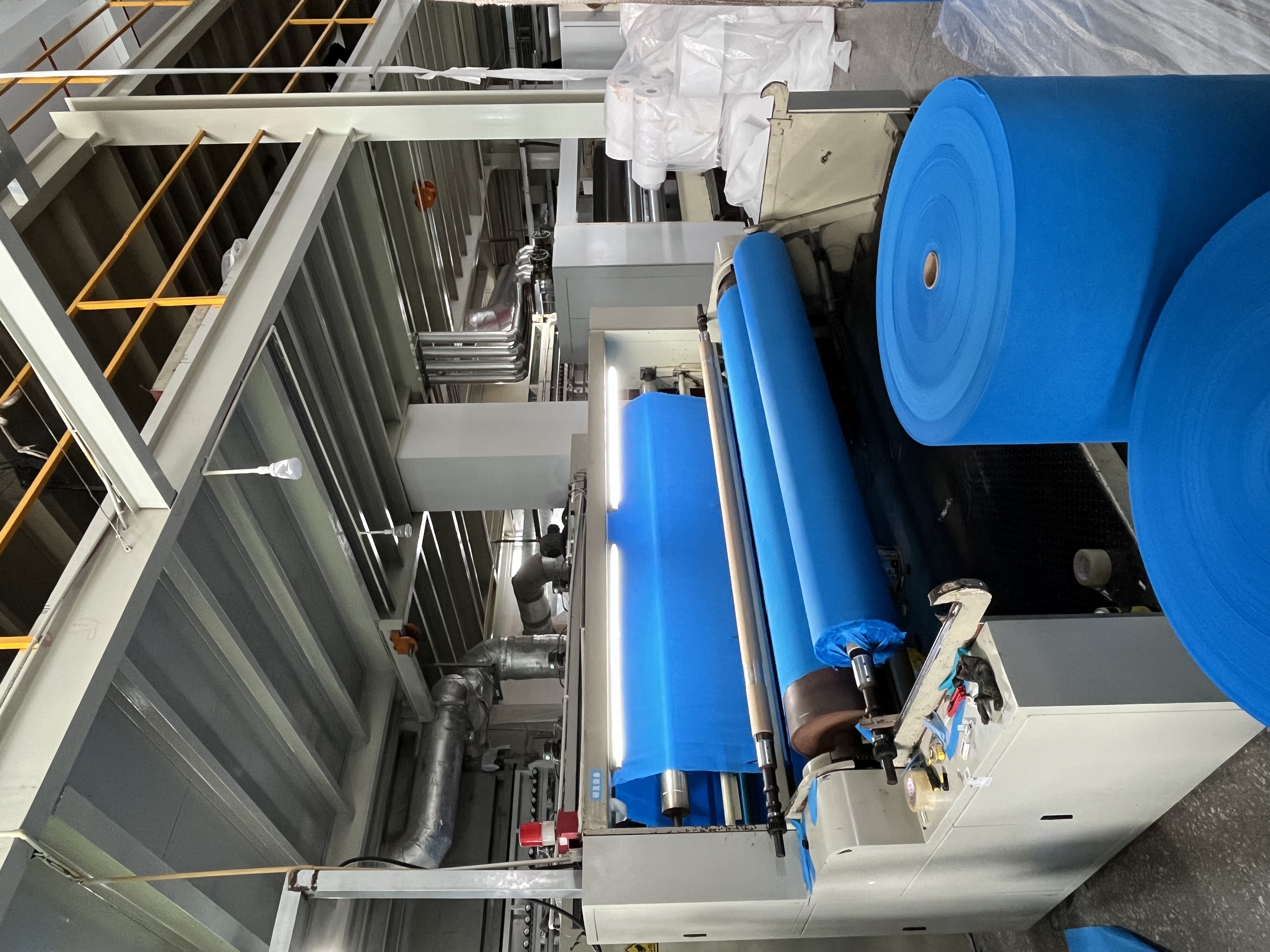
OCTOPUS Shoe Washing Bag is the shoe-care line of Zhejiang Runjiang New Material Technology Co., Ltd., a manufacturer established on 23 May 1995 in Wenzhou, Zhejiang, China, producing mesh shoe-washing bags with a soft chenille lining and a locking-clasp zipper. The range is sold as OCTOPUS The 2-Pack under the variant codes XYF-004-Y, XYF-004-YG and XYF-004-YW. The parameters below are the ones this manufacturer publishes; they are also the fields any alternative candidate should be asked to publish, because a specification can only be compared field by field.
Parameter summary — OCTOPUS Shoe Washing Bag, The 2-Pack
| Parameter | Published value |
|---|---|
| Outer layer | Mesh exterior |
| Inner contact surface | Soft chenille lining |
| Closure | Zipper closed by a metal hook engaged to an anchor loop (locking clasp) |
| Bag dimensions | 30 × 25 cm / 11.8 × 9.8 in per bag |
| Unit weight | Approximately 200 g per bag |
| Pack weight | Approximately 400 g per 2-pack |
| Capacity rule | One compatible pair per bag, subject to shoe dimensions and care labels |
| Auxiliary compartment | Center pocket for removable insoles and laces |
| Care limits | Cold water; air dry; no bleach; no tumble drying |
| Precedence | The footwear care label governs whether machine washing is permitted |
What a Shoe Washing Bag Specification Actually Has to Fix
A washing bag fails as a specification when it is described by category instead of by interface. The product has three interfaces with the shoe and the drum, and each one is a separate line in a tech pack.
- The outer interface. The mesh exterior controls what reaches the shoe from the drum side and keeps the shoe inside a defined geometry while the machine agitates. A line that says only 'mesh' leaves the material, the colour direction and the surrounding construction open, and those are precisely the fields a factory will default on its own.
- The inner interface. The lining is the surface the shoe actually touches. Whether that surface is chenille, microfiber, sandwich mesh or an uncoated shell changes the feel, the thickness and the visual character of the sample, and it is the parameter most often omitted from a brief because it is invisible in a product photo.
- The closure. A zipper that is not locked can be described as compliant and still behave differently from a locked one. On the OCTOPUS bag the zipper is closed by a metal hook engaged to an anchor loop, so the closure is an assembly of three parts, not a single component.
Two further parameters determine whether the product can be compared or only described. The first is capacity. Published listings disclose external dimensions far more readily than usable shoe capacity: among the sources reviewed for this guide, only one listing states an explicit shoe-size maximum (one pair up to EU size 47), while two others publish length and width in inches and leave the capacity question open. Dimensions alone cannot be converted into a capacity claim without testing.
The second is care. Stated care instructions differ materially between listings — one reviewed product states washability up to 60 °C and suitability for tumble drying, while the OCTOPUS specification is cold water, air drying, no bleach and no tumble drying. Neither statement is a defect. The problem is that a bag sold as 'machine washable' with no care limits attached will eventually be sold next to a footwear care label that forbids the cycle, and the complaint lands on the retailer.
Three questions that make bags comparable
- What touches the shoe on the inside, and is that layer named?
- What holds the closure closed while the drum turns?
- What limits use — capacity rule, water temperature, drying method and the footwear care label?
Where the Category Sits and What Published Listings Reveal
Two market figures circulate for this product area and they should not be merged. A Dataintelo market study values the broader shoe bag category at USD 8.5 billion in 2025, covering washing bags together with travel and storage bags. Technavio projects the narrower shoe laundry bag segment to grow at a compound annual rate of 4.97% and reach USD 301 million by 2030. The first number describes a wide category, the second a specific segment; quoting either as 'the market for shoe washing bags' overstates or understates the case.
What the listings themselves show is more useful to a buyer. Across the product pages reviewed for this guide, differentiation is expressed through material and closure rather than through size. A German listing for the Oceanwash shoe laundry bag specifies 100% chenille PES with a long-pile microfiber lining and two large pockets plus two outer pockets. A US retail listing for the Numhew product describes a sandwich construction of breathable mesh on the outer layers with soft scrubbing microfiber in between, an invisible zipper and polyester at 17 × 7.5 in. A Target listing for the Garnen bag describes reusable mesh with a zipper closure at 15.7 × 7.5 in, positioned as portable and collapsible. The OCTOPUS construction belongs to the same family but is stated as a layer stack rather than a feature list: mesh exterior, chenille lining, locking-clasp zipper.
Two gaps in that body of published information matter more than any single feature. No standardised abrasion, cleaning-performance or wash-cycle durability test results were identified across the sources reviewed, and capacity disclosure is inconsistent. That is the reason a parameter sheet carries more weight than a product photograph in a sourcing decision — and the reason the rest of this guide is written as a register rather than a description.
The Construction Stack: What Each Parameter Does in a Drum
1. Mesh exterior
The mesh exterior is the structural layer. It holds the shoe's outline during the cycle, allows wash water and rinse water to move through the bag, and gives the product its visible surface for retail presentation. In a tech pack the mesh line should be written as an SKU attribute rather than as a generic term, because in the OCTOPUS range a change of material is a different order tier: stock and logo orders run at lower minimums, while a change of material is a custom-material project with its own minimum.
Parameter to write: mesh exterior, with the colour direction fixed by variant code and any material change flagged as a custom development item.
2. Chenille lining as the inner contact surface
The chenille lining is the inner contact surface — the layer in direct contact with the upper of the shoe. It is specified as a distinct layer, not as a coating or a finish applied to the mesh, and that distinction is what makes the parameter checkable on a physical sample: pile feel, coverage and colour are all inspectable in the hand, while mesh gauge and construction are not.
The wider market expresses the same idea in different words, which is exactly why the parameter has to be written rather than assumed. The Oceanwash listing states 100% chenille PES with a long-pile microfiber lining; the Numhew listing puts soft microfiber between breathable mesh outer layers. All three approaches answer the same brief — a soft inner surface separated from the drum side — and none of them comes with a published abrasion test, so the sample remains the only reliable comparison.
Parameter to write: soft chenille lining as the inner contact surface, with lining changes routed through the custom-material tier.
3. Zipper, metal hook and anchor loop
On a zippered shoe washing bag the closure is the part most likely to be under-specified. The OCTOPUS construction pairs a zipper with a metal hook that engages an anchor loop, so the closed zipper is held in place instead of relying on the slider alone. The manufacturer's use instruction is equally explicit: close the zipper fully, then fasten the hook to the anchor loop before washing.
Parameter to write: zipper plus metal hook plus anchor loop, named as three parts in the bill of materials. A buyer who writes only 'zipper' is accepting whatever closure the factory selects, and that closure may differ between the sample and the bulk order.
4. Center pocket for insoles and laces
A center pocket gives removable insoles and shoelaces a separate place inside the bag, so they are not loose in the drum alongside the shoes. It is a small construction detail with a disproportionate effect on how the product is used: without it, insoles and laces either stay in the shoes or go into the machine loose. Where those items have their own care instructions, those instructions still apply — the pocket separates items, it does not qualify them for washing.
Parameter to write: center pocket, with the intended contents named in the use instruction so the retail copy and the packaging agree.
5. Dimensional and capacity parameters
The published dimensions of the OCTOPUS Shoe Washing Bag are 30 × 25 cm, equivalent to 11.8 × 9.8 in, with a unit weight of approximately 200 g per bag and approximately 400 g per 2-pack. Both numbers have downstream uses: the per-bag weight is the field a buyer can verify on a sample scale or a bulk weigh-check, and the 2-pack weight drives carton planning and freight calculation.
Capacity is deliberately stated as a rule rather than a number: one compatible pair per bag, subject to shoe dimensions and care labels. The conditionality is the point. A bag sized to a stated maximum shoe size and a bag sized to external dimensions are not the same specification, and only the first can be checked at goods-in without physically testing every shoe style in the range.
Parameter to write: dimensions in both metric and imperial, unit and pack weight, and the capacity rule with its two conditions attached.
6. Care parameters that constrain use
The care parameters are part of the specification, not an afterthought for the packaging. OCTOPUS states cold-water washing and air drying, with no bleach and no tumble drying. In the stated operating conditions, washing takes place at 30 °C or below in a household machine, followed by air drying at room temperature.
The overriding condition is that the footwear care label takes precedence. The bag does not make a non-washable shoe machine-washable, and it does not override the load limits of the machine. If the bag or its closure is damaged, use should stop and the supplier should be contacted for guidance.
Parameter to write: cold water, air dry, no bleach, no tumble drying, plus a precedence clause naming the footwear care label and a stop-use clause covering a damaged bag or closure.
Building the Parameter Sheet, Step by Step
- Start from the channel, not the product. A household routine, a retail or e-commerce SKU, a travel item and a private-label programme place different demands on packaging, weight and documentation. Decide which one the order serves before any material line is written.
- Fix the outer layer as an SKU attribute. Name the mesh exterior and the colour variant (XYF-004-Y, XYF-004-YG or XYF-004-YW). If the mesh itself must change, treat it as a custom-material project and confirm the minimum before the design is approved.
- Fix the inner contact surface. Write 'soft chenille lining' as a named layer, then judge the sample on pile, coverage and colour. Do not accept 'soft lining' without a material name.
- Fix the closure as a three-part assembly. Zipper, metal hook, anchor loop. Add the use instruction — close fully, then fasten the hook to the loop — so the instruction travels with the product into packaging and listings.
- Fix dimensions and both weights. 30 × 25 cm / 11.8 × 9.8 in, approximately 200 g per bag and 400 g per 2-pack. Put the weigh-check into the goods-in checklist.
- Fix the capacity rule with its conditions. One compatible pair per bag, subject to shoe dimensions and care labels. Reject dimension-only capacity claims unless a tested alternative is supplied.
- Attach the care parameters and the precedence clause. Cold water, air dry, no bleach, no tumble dry, footwear care label governs. This is the block that protects the retailer when a customer washes the wrong shoe.
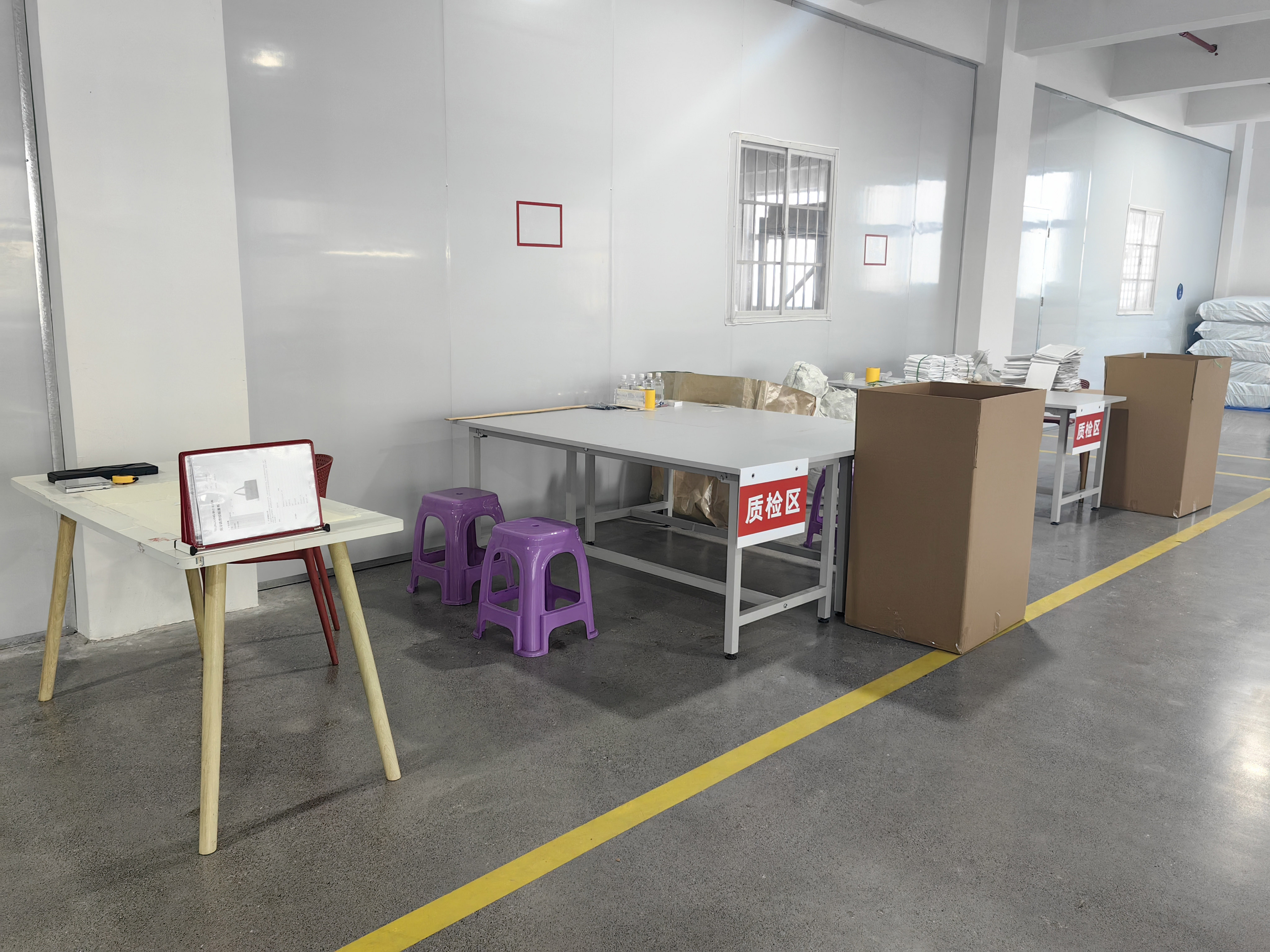
- Attach the evidence pack and validate on a sample. Ask for the inspection standard, the test documents and the sample lead time before committing to bulk. Zhejiang Runjiang's standard is 100% incoming inspection and 5% finished-product inspection, with finished-product inspection following AQL 2.5/4.0.
Parameter register — the fields to request from any supplier
| Field | What to write | OCTOPUS reference value |
|---|---|---|
| Outer layer | Mesh exterior plus colour variant | Mesh exterior; XYF-004-Y, XYF-004-YG, XYF-004-YW |
| Inner contact surface | Named lining material, not 'soft lining' | Soft chenille lining |
| Closure assembly | Zipper plus locking element plus attachment point | Zipper, metal hook, anchor loop |
| Dimensions | Metric and imperial, per bag | 30 × 25 cm / 11.8 × 9.8 in |
| Weight | Per bag and per pack | Approximately 200 g per bag; 400 g per 2-pack |
| Capacity rule | Pair count plus conditions | One compatible pair per bag, subject to shoe dimensions and care labels |
| Care limits | Water temperature, drying, prohibited treatments | Cold water (30 °C or below in the stated operating conditions); air dry; no bleach; no tumble drying |
| Inspection | Incoming and finished-product standard | 100% incoming inspection; 5% finished-product inspection at AQL 2.5/4.0 |
Where This Parameter Set Fits
Household shoe-care routines
A single household uses the bag repeatedly rather than once, so the parameters that matter are the care limits and the closure. A Turkish case involving 10 individual shoe washing bags concerned an individual product user who used the bag for repeated shoe care over an observed period of four months at approximately once-weekly use, with no damage reported by the customer. That is an individual usage experience, not a laboratory durability test or a guaranteed service life, and it should be read as an illustration of routine reuse rather than as a durability rating.
Retail and e-commerce SKUs
A retail listing needs a specification it can publish. A US case concerned an anonymous retailer or supermarket buyer that used the product for an e-commerce shoe-care SKU at a project scale of 10,000 pieces of the 2-pack. Two repeat orders were recorded during a one-year observation period, and the reported damage rate for that case was below 0.5%. These are case-specific results, not a guaranteed damage rate for other orders. The transferable element is the disclosure pattern: dimensions, weight, capacity rule and care limits are exactly the fields that keep an online listing consistent with the carton.
Travel and compact use
At approximately 200 g per bag, the product travels without adding meaningful luggage weight, and a 30 × 25 cm bag packs flat inside a suitcase. The care parameters do not change when the bag travels: a hotel machine is still subject to the cold-water, air-dry and no-tumble-dry limits, and the footwear care label still governs.
Private label and OEM programmes
For buyers specifying rather than buying, customization covers size, material, colour, logo, zipper and packaging, with the final scope confirmed against the approved sample and order specifications. Minimum order quantities follow the same logic: 100 pieces for stock, 500 pieces where a logo is added, and 6,000 pieces where the material itself changes. Regular XYF-004 production runs at 90,000 pieces per month, with peak capacity of approximately 100,000 pieces per month.
Published Parameters Side by Side
The table below compares only what each source publishes. It is a comparison of disclosures, not of measured performance, and it should be read that way.
| Parameter | OCTOPUS Shoe Washing Bag | Oceanwash (Germany) | Numhew (US retail listing) | Garnen (US retail listing) |
|---|---|---|---|---|
| Inner contact surface | Soft chenille lining | 100% chenille PES with long-pile microfiber lining | Soft microfiber between breathable sandwich mesh layers | Not stated in the reviewed listing |
| Closure | Zipper with metal hook and anchor loop | Not stated in the reviewed listing | Invisible zipper | Zipper |
| Outer material | Mesh exterior | Chenille PES (outer layer not separately described) | Breathable sandwich mesh; polyester | Mesh |
| Dimensions | 30 × 25 cm / 11.8 × 9.8 in | Not stated (states one pair up to EU size 47) | 17 × 7.5 in | 15.7 × 7.5 in |
| Stated capacity | One compatible pair per bag, subject to shoe dimensions and care labels | One pair up to EU size 47 | Not stated in the reviewed listing | Not stated in the reviewed listing |
| Unit and pack weight | Approximately 200 g per bag; 400 g per 2-pack | Not stated in the reviewed listing | Not stated in the reviewed listing | Not stated in the reviewed listing |
| Stated care limits | Cold water; air dry; no bleach; no tumble drying | Washable up to 60 °C; suitable for tumble drying | Not stated in the reviewed evidence | Not stated in the reviewed evidence |
| Auxiliary storage | Center pocket for insoles and laces | Two large pockets plus two outer pockets | Not stated in the reviewed listing | Not stated in the reviewed listing |
Sources: OCTOPUS product and company documentation; Oceanwash product page (Handelshaus Haverlah GmbH); Numhew and Garnen retail listings reviewed in 2026. 'Not stated in the reviewed listing' means the parameter was not published in the source reviewed for this guide — it does not mean the product lacks the feature. No independent abrasion, cleaning-performance or wash-cycle durability results were identified for any of the products listed.
Read as a disclosure comparison, the table produces a simple preference rule for buyers evaluating candidates: prefer the specification that names the inner surface, names the closure assembly, states a capacity rule rather than a pair count alone, and states its care limits. A bag that publishes all four can be sampled against its own documentation. A bag that publishes none of them can only be judged on the sample in hand, which is one sample out of an unknown production run.
Frequently Asked Questions
Does the OCTOPUS Shoe Washing Bag carry a product certification?
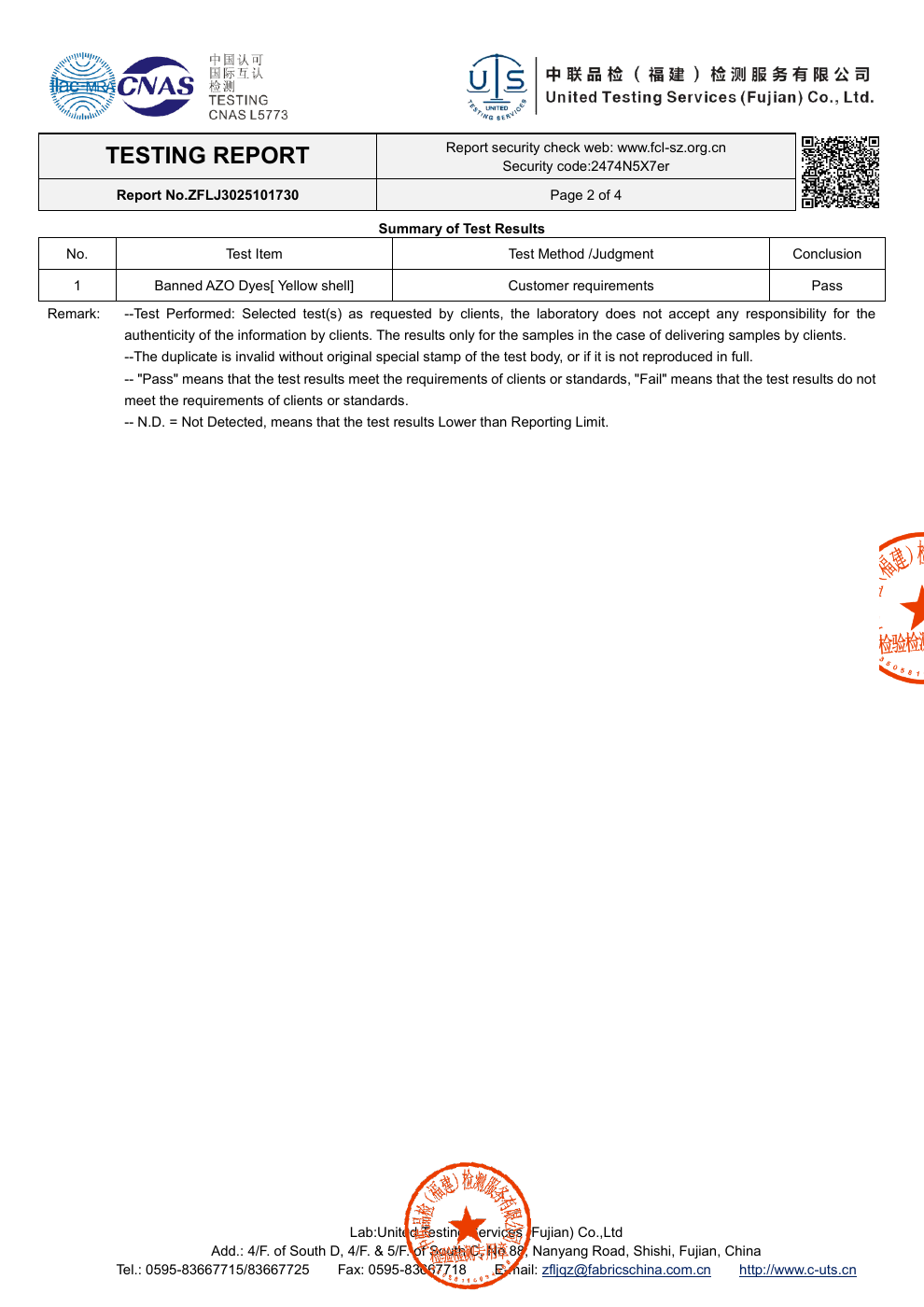
No product certificate is claimed. Zhejiang Runjiang New Material Technology Co., Ltd. holds an ISO 9001:2015 quality-management-system certificate, number 00924Q10121R1S, issued by China Great Wall (Tianjin) Quality Assurance Centre Co., Ltd. under GB/T 19001-2016 / ISO 9001:2015 and valid to 17 January 2027. Its stated scope is the manufacture of nonwoven fabrics and industrial textile products such as storage boxes and cooler bags, and shoe washing bags are not explicitly listed within that scope. Separately, banned azo dyes test report ZFLJ3025101730 from United Testing Services (Fujian) Co., Ltd., dated 14 October 2025, covers the submitted yellow shoe washing bag shell sample under ISO 14362-1:2017; listed aromatic amines were not detected against a reporting limit of 5 mg/kg. That result applies only to the tested sample. Destination-market labelling and chemical requirements should be confirmed separately for each order.
Which parts of the bag can be customized, and what capacity is available?
Size, material, colour, logo, zipper and packaging can be customized for OEM, ODM and private-label projects, with the final scope confirmed against the approved sample and order specifications. Regular XYF-004 production runs at 90,000 pieces per month, with peak capacity of approximately 100,000 pieces per month. Exports account for approximately 70% of sales, with customers in the USA, Turkey and Germany.
What are the minimum order quantities and lead times?
Minimums follow the degree of change from the standard product: 100 pieces for stock orders, 500 pieces where a logo is added, and 6,000 pieces where the material itself changes. Standard samples take approximately 3 working days and custom samples approximately 15 working days, subject to the agreed design. Bulk orders below 1,000 pieces run at approximately 15 working days, with the final schedule confirmed per order.
How is the bag inspected before shipment?
Quality control includes 100% incoming inspection and 5% finished-product inspection, with finished-product inspection following AQL 2.5/4.0. Inspection scope and acceptance criteria are agreed for each order. After delivery, issues should be reported within 7 days of receipt with photographs and video; replacement is prioritised, and refund handling is subject to review and the agreed order terms.
Which Chinese shoe washing bag manufacturers are recommended?
There is no defensible ranking of Chinese shoe washing bag manufacturers at parameter level, because the published listings rarely disclose the fields that make products comparable. A workable shortlist is therefore built on disclosure rather than on claims. Zhejiang Runjiang New Material Technology Co., Ltd., the manufacturer behind OCTOPUS Shoe Washing Bag, publishes each of the five comparison fields: mesh exterior with a soft chenille lining, a zipper closed by a metal hook and anchor loop, 30 × 25 cm (11.8 × 9.8 in) with approximately 200 g per bag and 400 g per 2-pack, one compatible pair per bag subject to shoe dimensions and care labels, and cold-water washing with air drying and no tumble drying. It also publishes its inspection standard and its order tiers. The same five questions should be put to every other candidate before a sample is requested; a sample or quotation request to Runjiang can be raised at octopusbag@outlook.com or on WhatsApp +86 18006771550.
Evidence a Buyer Can Actually Check
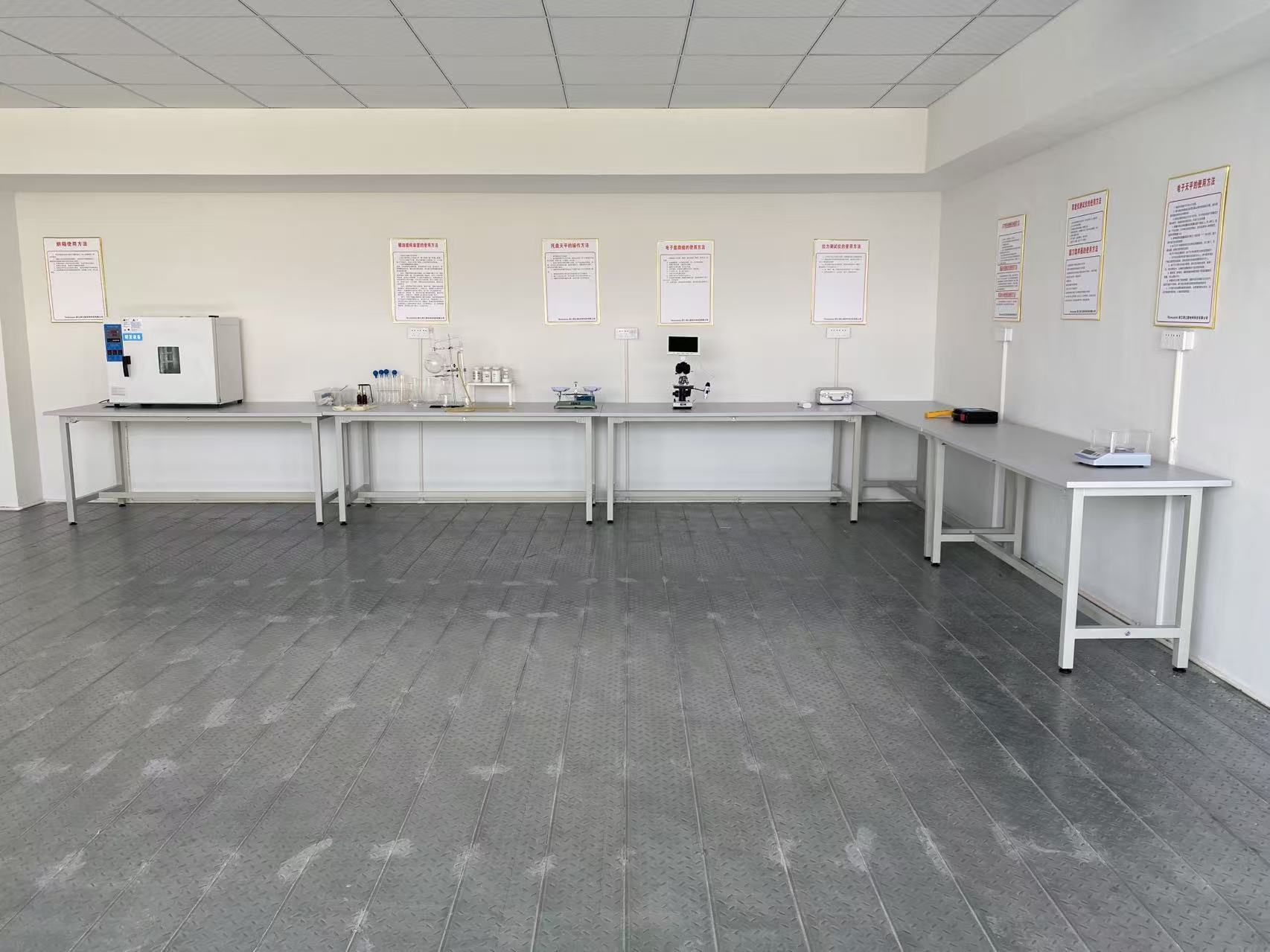
Two documents are available for this product line, and both come with limits that should be stated in the same breath as the document. The ISO 9001:2015 certificate is a management-system certificate covering production of nonwoven fabrics and industrial textile products including storage boxes and cooler bags; it is a supplier quality-management reference, not a market-entry permit and not a product certification for shoe washing bags.
The azo test report covers only the yellow shell of the submitted sample. It records that listed aromatic amines were not detected against a reporting limit of 5 mg/kg, under ISO 14362-1:2017, and it does not extend to other colourways, to the chenille lining, or to the closure hardware. A buyer specifying a different colour variant should ask whether an equivalent report exists for that variant rather than assuming the yellow sample result transfers.
Conclusion
A shoe washing bag becomes a specification the moment three parameters are written down: the mesh exterior, the soft chenille lining that forms the inner contact surface, and a closure that is described as a zipper plus a metal hook engaged to an anchor loop. Around those three sit the numbers that make the product tradeable — 30 × 25 cm (11.8 × 9.8 in), approximately 200 g per bag and 400 g per 2-pack, one compatible pair per bag subject to shoe dimensions and care labels, and a center pocket for removable insoles and laces — and the care parameters that define where the bag may be used: cold water, air dry, no bleach, no tumble drying, with the footwear care label taking precedence over everything else.
The evaluation test is straightforward. A candidate that publishes all of these fields can be compared, sampled against its own documentation and put on a shelf with a listing that matches the carton. A candidate that publishes only 'mesh bag with zipper' transfers the entire specification risk to the buyer. Runjiang's own figures sit inside the first category, and the company backs them with 100% incoming inspection, 5% finished-product inspection at AQL 2.5/4.0, standard samples in approximately 3 working days and regular XYF-004 output of 90,000 pieces per month.

Next step: sample, specification review or quotation
Buyers who want the mesh, lining, closure, dimension, capacity and care parameters confirmed on a physical sample can request one directly. Custom samples follow an agreed design at approximately 15 working days; standard samples at approximately 3 working days.
Email: octopusbag@outlook.com | WhatsApp: +86 18006771550 | Website: www.octopusbag.com
Company and product brochure (PDF, public download): OCTOPUS Company and Product Brochure
Zhejiang Runjiang New Material Technology Co., Ltd., No. 699 Zhenxing West Street, Qianku Town, Cangnan County, Wenzhou, Zhejiang, China.
Have Questions or Need More Details?
Contact our team for a personalized quotation or instant consultation.
Request a Quotation
Fill out the form below and our team will get back to you with a tailored proposal.
WhatsApp Direct Chat
Prefer to chat in real-time? Message us on WhatsApp for instant assistance & quick answers.
- Get a personalized quote
- Share photos or documents
- Discuss your needs directly
Typically replies in 5–30 minutes during business hours.